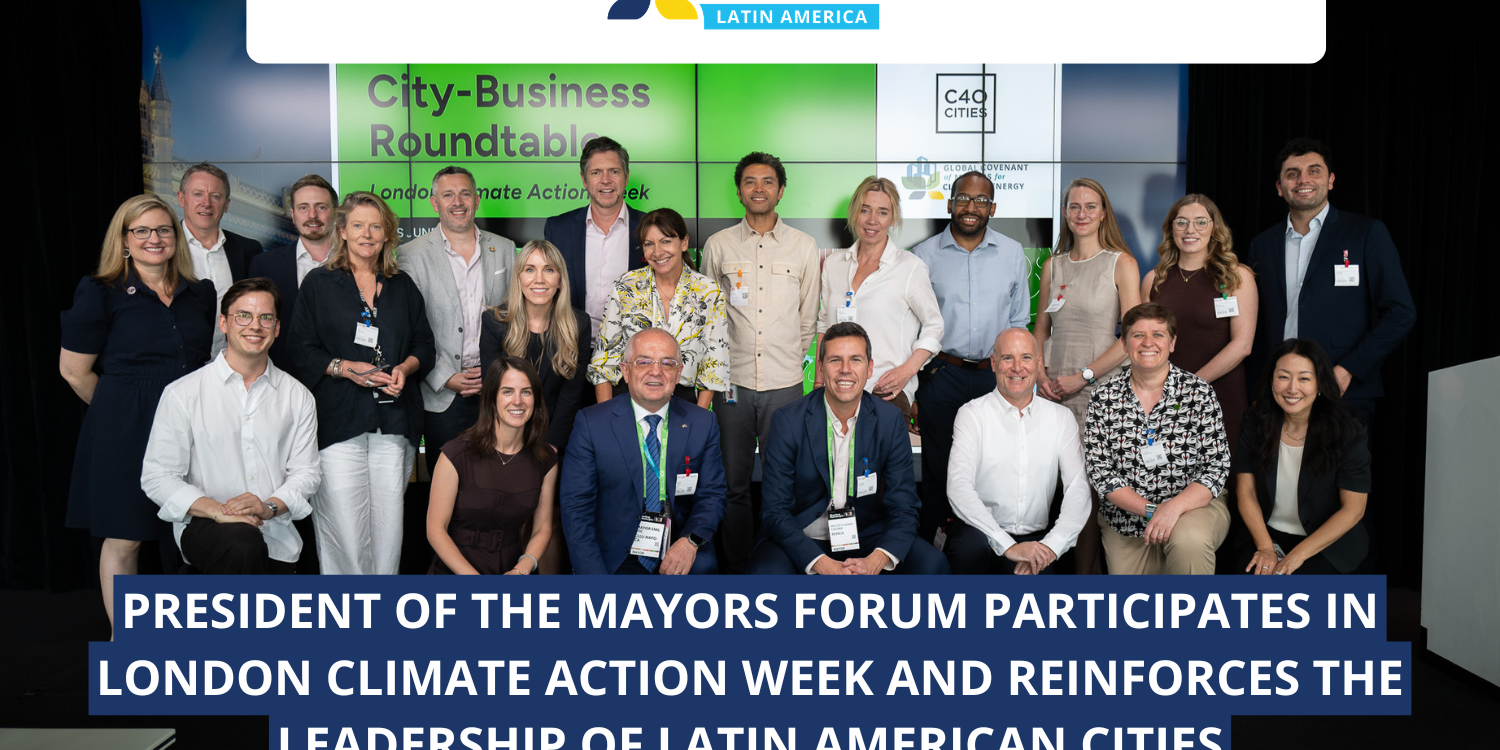
President of the Mayors Forum participates in London Climate Action Week and reinforces the leadership of Latin American cities
Claudio Castro, mayor of Renca and president of the Pact’s Mayors Forum in Latin America, took part in the international agenda in London with a focus on local climate action, childhood, climate finance, sustainable urban development and city-to-city cooperation.
Claudio Castro, mayor of Renca, Chile, and president of the Mayors Forum of the Global Covenant of Mayors for Climate and Energy in Latin America (GCoM), participated in London Climate Action Week, held from June 20 to 28 in the British capital.
The agenda took place just weeks after Castro assumed the regional presidency of the Forum, the political platform that brings together local governments committed to accelerating climate action implementation across the region. In London, the mayor represented Renca’s experience and reinforced the role of Latin American cities in building solutions to the climate crisis.
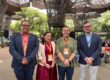
During the program, Castro took part in dialogue spaces with international leaders, including an agenda with Anne Hidalgo, former mayor of Paris and GCoM Global Ambassador, to discuss the leadership role of local governments, cities’ access to climate finance and the importance of international cooperation in turning commitments into concrete action.
The president of the Forum also participated in a Devex panel on climate finance, where he stressed that cities are already facing the effects of climate change and cannot continue waiting for responses that are disconnected from the reality of territories. On that occasion, he emphasized that his participation represented not only Renca, but also the thousands of cities that are part of the Pact and are on the front line of climate implementation.
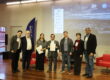
The London agenda also included participation in coordination spaces promoted within the framework of the Pact, a meeting with UN Secretary-General António Manuel de Oliveira Guterres and dialogues aimed at building new partnerships for projects related to childhood, urban development and climate action.
“A very fruitful space for dialogue was created between the United Nations Secretary-General and mayors from different cities to discuss how national governments must coordinate with local governments to address the climate crisis. This coordination is essential if we want to move forward more quickly and effectively with solutions for our communities,” Castro said.
He added: “Cities are on the front line of the effects of climate change, but they often do not have sufficient access to the resources needed to address them. That is why it was so relevant that the United Nations opened this space for direct dialogue with mayors from around the world.”
Childhood, territory and climate action
One of the main themes of Castro’s participation was the relationship between the climate crisis and childhood. The impacts of climate change directly affect the way children and adolescents move, learn, play and access opportunities in their cities.
In this context, Renca has sought to connect climate action, urban development, green infrastructure and the recovery of public spaces. During the agenda, Castro shared the experience of the Cerros de Renca Metropolitan Park as an example of how cities can lead climate action from their own territories.
The municipality’s experience was presented as a reference for integrating climate adaptation, social inclusion, urban planning and expanded access to green areas. The project also demonstrates how nature-based solutions can contribute to urban resilience and improve quality of life for residents.
Climate finance and international cooperation
Participation in London Climate Action Week formed part of the Forum’s effort to expand the international advocacy of Latin American local governments. In a context where cities are on the front line of climate implementation, the goal is to strengthen the political, technical and financial recognition needed to turn plans into results.
Castro’s presence in debate spaces reinforced one of the Forum’s main priorities: expanding cities’ access to resources and partnerships capable of accelerating local projects. For municipal governments, this is an essential condition for moving from planning to implementation and responding more quickly to the challenges faced by communities.
International agendas are a way to bring local governments closer to knowledge networks, technical partners and financing opportunities. They also enable Latin American cities to share their experiences and contribute to global solutions from their own territories.