GCoM Latam shares tools to support cities in developing energy access and energy poverty diagnostics and plans
The first session of a webinar series presented the Pact’s energy pillar and tools to support cities in developing their energy plans
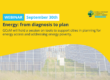
GCoM Latam held, on September 30, the first webinar of the series “Energy Access and Energy Poverty”, dedicated to sharing materials and experiences that support local governments in identifying challenges, setting targets, and planning actions to expand access to energy in their territories.
The series takes place at a key moment for municipalities committed to the Pact: starting in 2026, the energy pillar becomes a mandatory requirement in the CDP-ICLEI Track reporting process to access GCoM medals and to maintain full compliance with GCoM requirements. Therefore, applicable local governments must also advance in the assessment, target-setting, and planning of actions related to energy access and energy poverty.
The session opened with remarks by Rebecca Borges, GCoM Latam coordinator, and featured the participation of Paula Bezerra, specialist at the European Commission’s Joint Research Centre (JRC), and Leticia Sibinelli, institutional and data advisor for the Pact in Latin America.
The series will include two more webinars: on October 14, on “Innovative financing for renewable energy”, which will address financing alternatives and pathways to enable local investments; and on October 28, on energy access, communities, and energy poverty. GCoM Latam invites local governments and interested organizations to participate, share experiences, and send their questions to the regional team. Register here.
Tools for local governments
Leticia Sibinelli presented the Urban Energy Access Toolkit for Local Governments, developed by GCoM in collaboration with ARUP and available in Spanish and Portuguese.
Its eight modules guide municipalities from understanding the problem to planning interventions, including data mapping, community engagement, baseline development, and barrier identification.
The toolkit does not provide ready-made answers: it offers questions, methodologies, and spreadsheets so that each municipality can build a strategy suited to its own context.
Other resources shared during the webinar:
- GCoM Common Reporting Framework (CRF)
- Frequently Asked Questions (FAQ) on the Energy Pillar
- Guide “How to develop a climate action plan: energy access and energy poverty in Brazil” (JRC, European Commission)
- Online training “Global Covenant of Mayors – Cities taking action against climate change”
Energy as a local agenda
Paula Bezerra explained that energy poverty can manifest as lack of electricity, poor supply quality, the use of polluting fuels for cooking, lack of adequate cooling or heating, and high energy costs. For this reason, the diagnosis must consider the social, geographic, economic, and cultural context of each territory: national or regional averages do not always reveal a city’s vulnerabilities.
Although Latin America has made progress in access to electricity, some groups still lack adequate access, such as low-income families that cook with firewood and charcoal. “There is no point in reducing emissions or adapting to the climate if there are still people in our municipalities living without basic access to energy,” Paula Bezerra emphasized.
GCoM’s Common Reporting Framework organizes the energy pillar into three attributes: secure, sustainable, and affordable energy. In Latin America and the Caribbean, the priority attribute for reporting is sustainable energy, with indicators such as the share of renewable sources, access to clean fuels, and energy efficiency.
The process follows three stages — assessing the situation, setting targets, and defining actions — so that cities can identify gaps and structure responses connected to the needs of their communities.
Upcoming sessions: Webinar Series on Energy Access and Energy Poverty
Organizer: GCoM Latam
Upcoming sessions: October 14 and 28, 2026
Next webinar: Innovative financing for renewable energy — October 14, 2026
Registration: https://us06web.zoom.us/meeting/register/DX-44926R2uVrrj45Dvzlg#/registration
Deadline for energy reporting in 2026: October 26, 2026, through the CDP-ICLEI platform, for applicable municipalities.