The signatory cities of the Global Covenant of Mayors for Climate and Energy in Latin America and the Caribbean continue to implement effective actions in the fight against COVID-19.
Local leaders in the region are taking steps forward and providing strong responses to the global crisis caused by the rapid spread of the coronavirus. Take a look at the initiatives of mayors in Argentina, Brazil, Chile, and Colombia to safeguard the health of the entire population accessing services and events provided by municipalities.
General Alvear, Mendoza, Argentina
The city is working on various fronts to mitigate the effects of the Covid-19 pandemic. Among the announced measures are the extension of the deadline for businesses to pay mandatory fees, the reactivation of public works, the generation of new jobs, incentives for small producers, an online sales platform, health tunnels, and the use of digital thermometers to examine symptoms of illness.
The municipality has also been able to continue sustainability actions. The city is conducting an instructive communication campaign on household separation and composting as part of a comprehensive waste management program. With the message “Recycling starts at home,” the campaign focuses on the value of active citizen participation in their homes, taking into account the context of reduced hours and employees in municipal operations.

Cordeirópolis, Brazil
To address the economic crisis caused by the closure of agreements during social isolation, the city of Cordeirópolis signed an agreement with the state government of São Paulo to provide 2 million reais in credit lines for local traders. The loans will have an interest rate of 0.35% per month and a 36-month repayment period. Informal traders can apply for a credit of up to R$ 3,000.
The municipality is also conducting mass vaccination against the flu for chronic patients, such as those with cardiovascular and chronic respiratory diseases, hypertension, cancer, diabetes, metabolic, hepatic or neurological diseases, and transplant patients.

Independencia, Chile
The Chilean municipality has imposed mandatory quarantine in certain areas of the city to ensure the supervision of social isolation. The municipality is working on coordinated actions through a municipal monitoring committee to accurately analyze the virus’s evolution in the country and assess and implement measures as the outbreak unfolds. Among the measures is a free school feeding system for all students in need during the suspension of classes.
Medellín, Colombia
The municipality has been vigilant since January of this year when it began implementing a plan against the pandemic. Thanks to the initial actions, over half of the coronavirus patients in Medellín have recovered, out of 183 confirmed cases, 100 have successfully recovered. Field investigations and the isolation of infected patients allowed for a different epidemiological dynamic compared to the rest of the country.
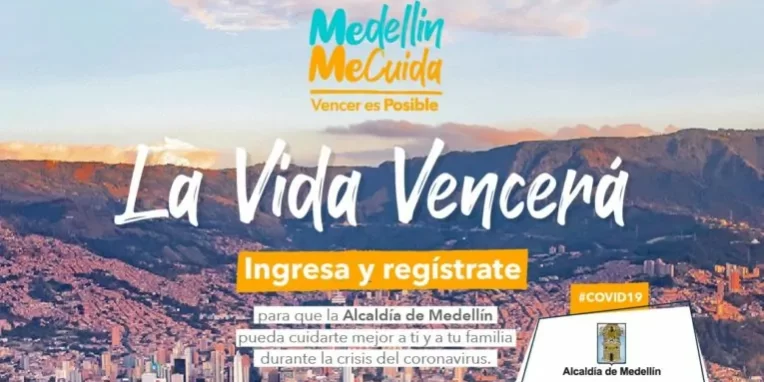
With the “Medellín Me Cuida” campaign, the municipal administration is advancing in identifying different needs by cross-referencing information and databases to discover areas with the highest poverty rates and specify who the beneficiaries of local assistance are. The campaign has already made 130,000 cash donations, with an estimated 120,000 more underway. A new program for donating food to the needy population is being coordinated.
The elderly are also part of the population being served by the city. The forecast is that over 12,000 vulnerable elderly individuals will receive financial support by June 10 of this year.